People

Coordination

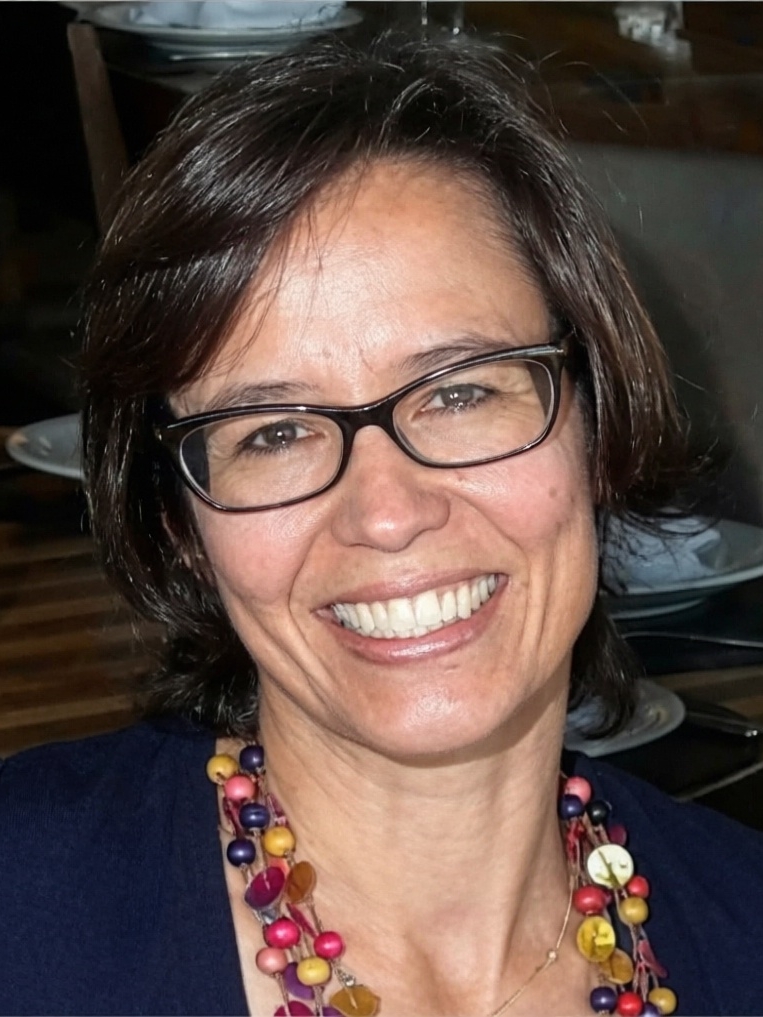
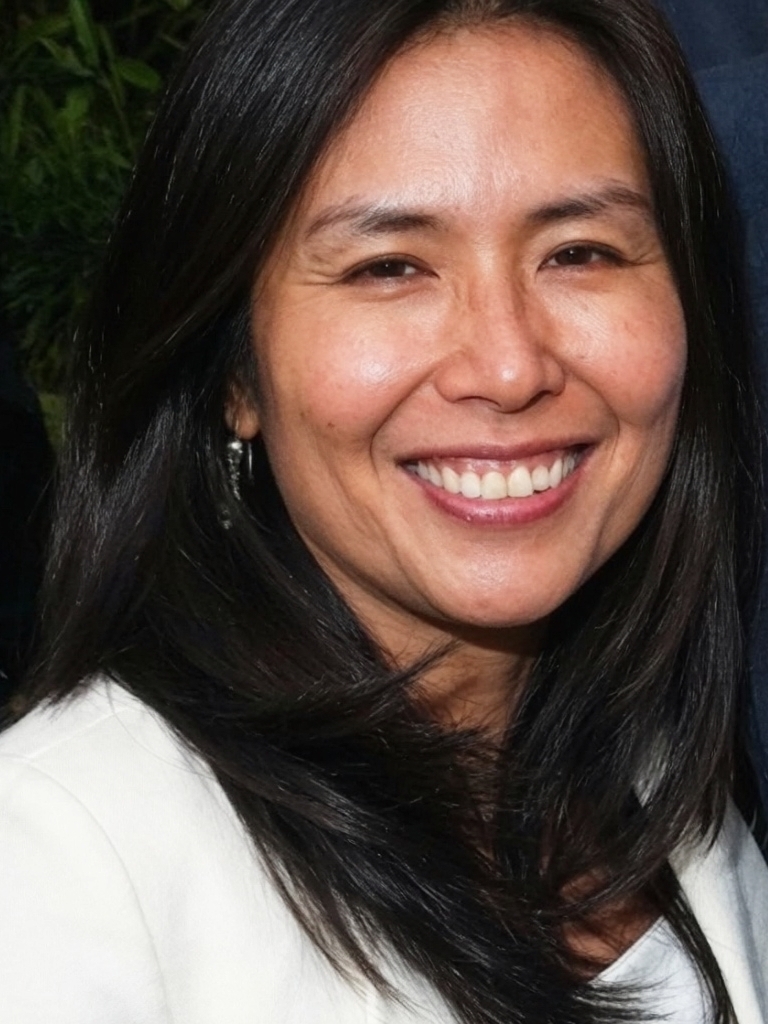
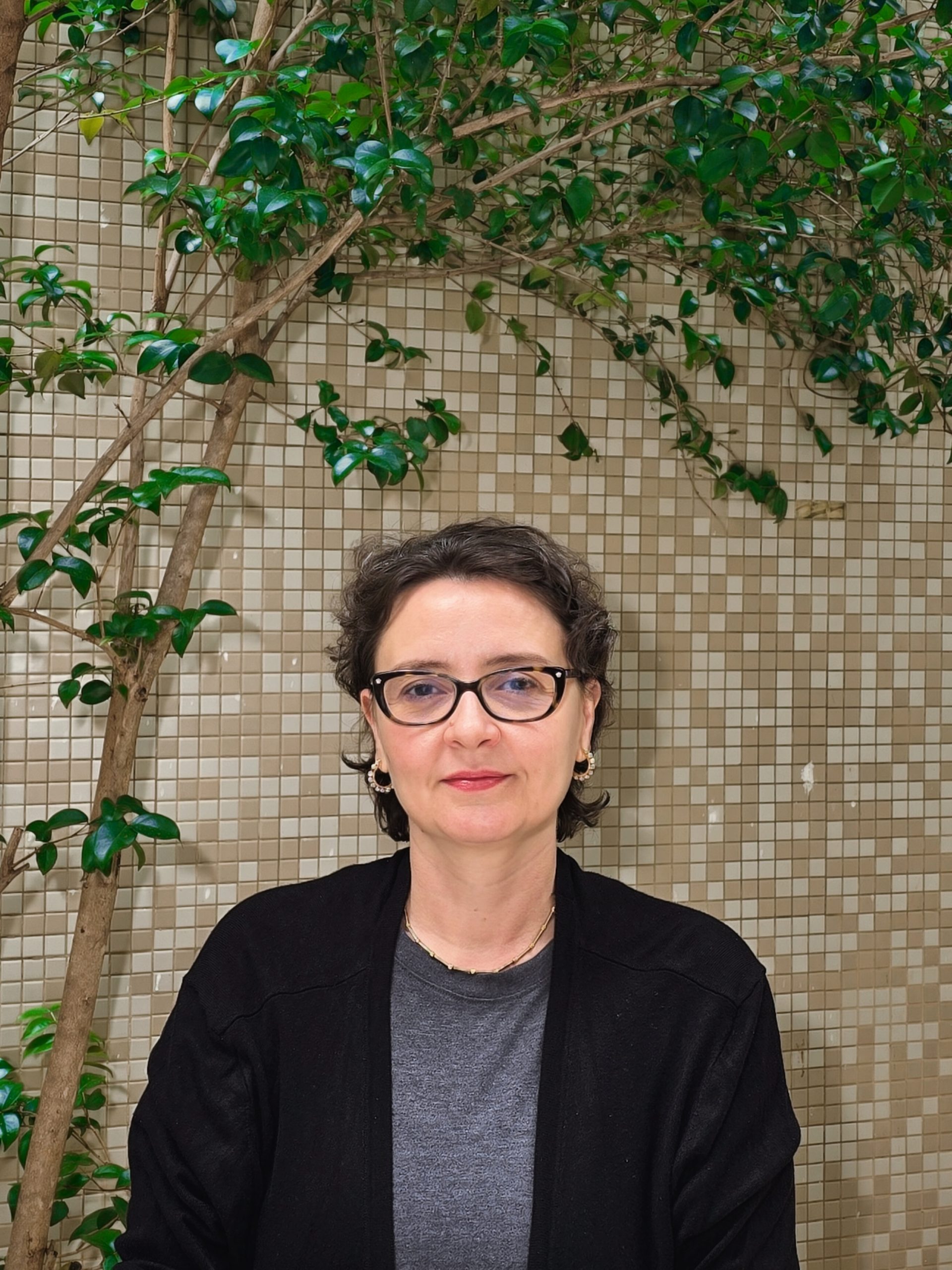
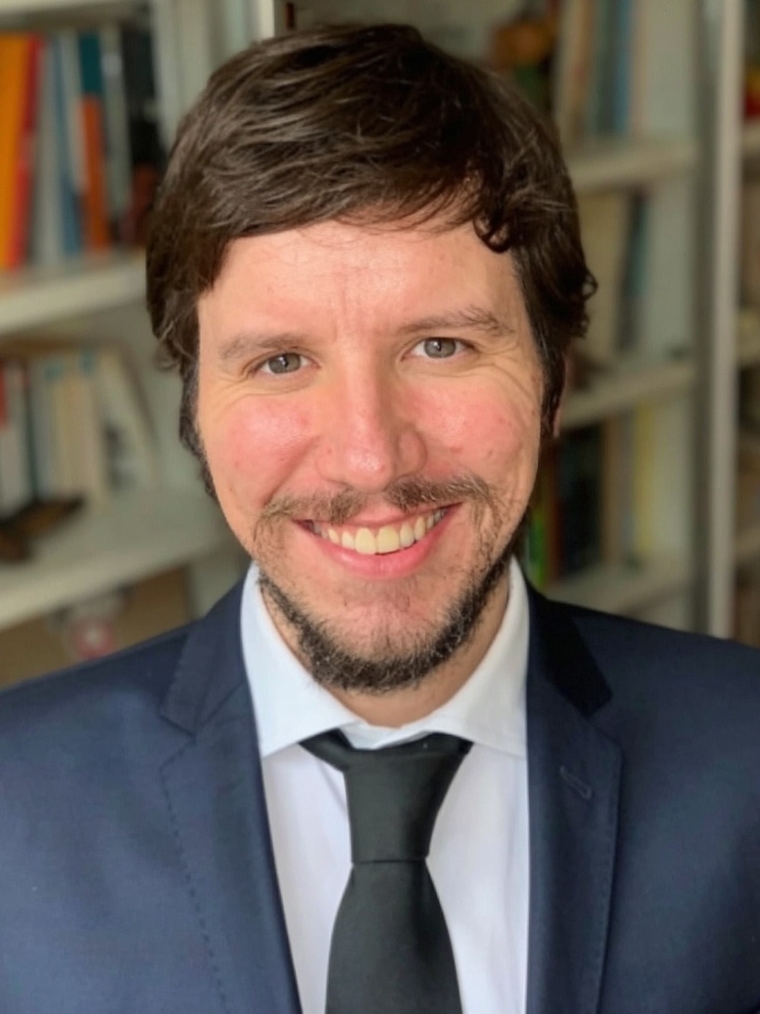
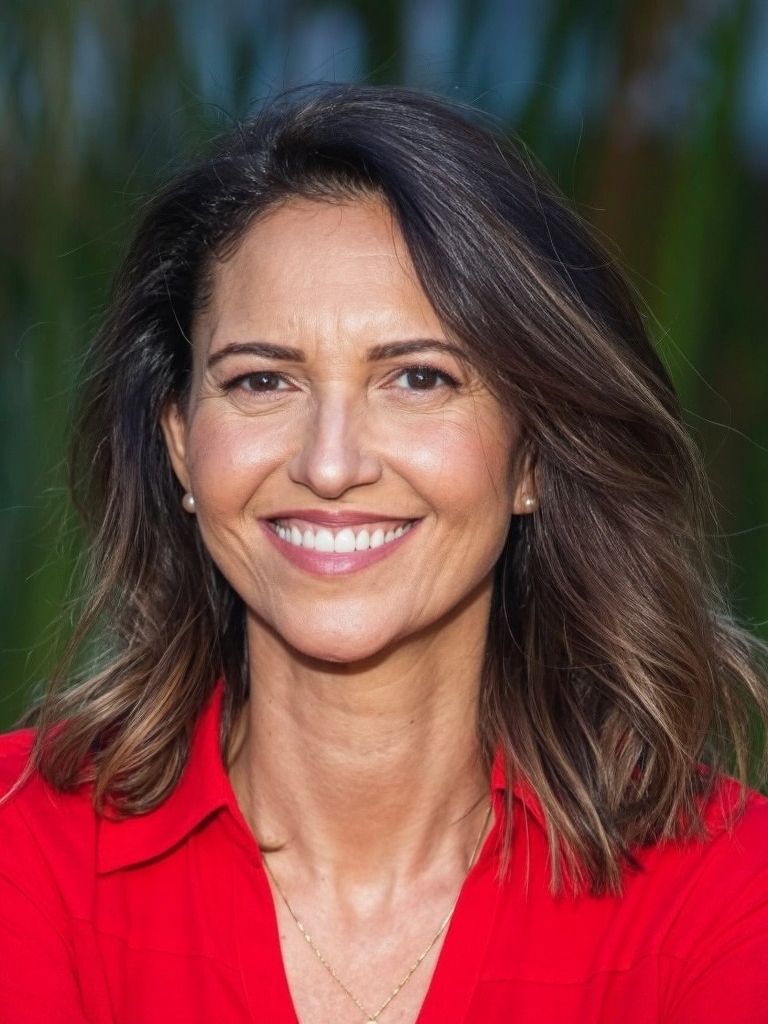
Associate Professor at the Institute of International Relations, University of Brasília (UnB), where she earned her PhD in International Relations (2007). She held postdoctoral fellowships at George Washington University (2015–2016) and has been a Visiting Professor at the University of Aalborg, Denmark (2017), Université de Liège (2014), and Université Libre de Bruxelles (2019). Her research focuses on Brazilian and Chinese foreign policy, Brazil–China and China–Latin America relations, BRICS, and Asian Studies.

Danielly Ramos

General Coordinator

Associate Professor at the Institute of International Relations, University of Brasília (UnB), where she earned her PhD in International Relations (2007). She held postdoctoral fellowships at George Washington University (2015–2016) and has been a Visiting Professor at the University of Aalborg, Denmark (2017), Université de Liège (2014), and Université Libre de Bruxelles (2019). Her research focuses on Brazilian and Chinese foreign policy, Brazil–China and China–Latin America relations, BRICS, and Asian Studies.

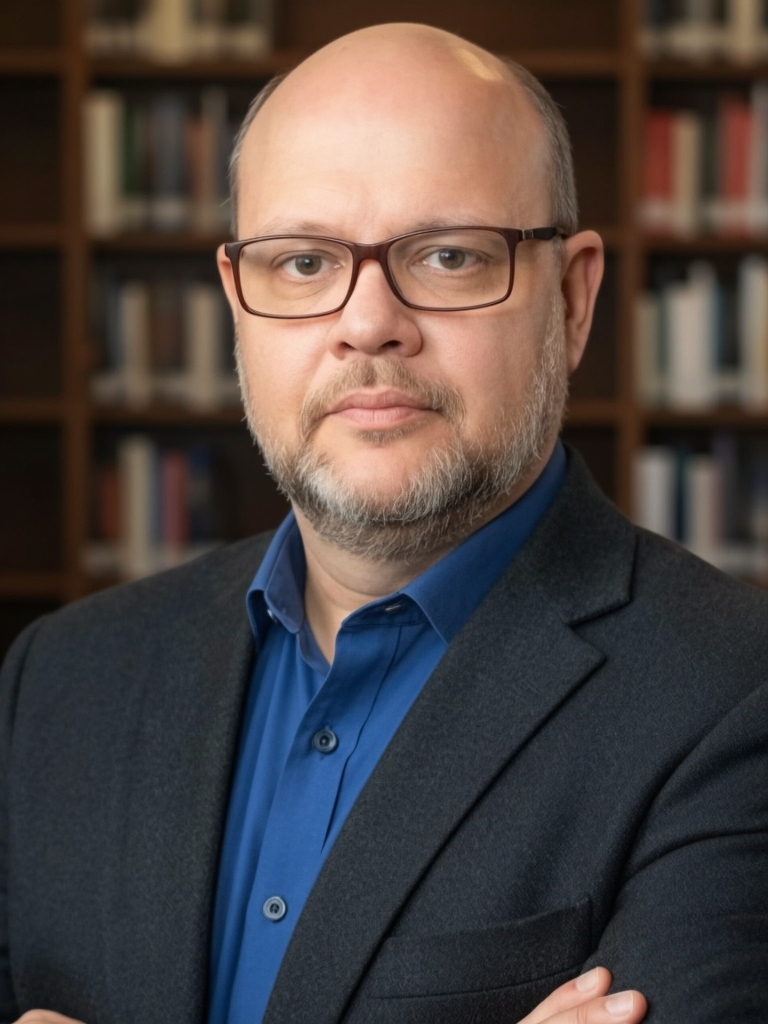
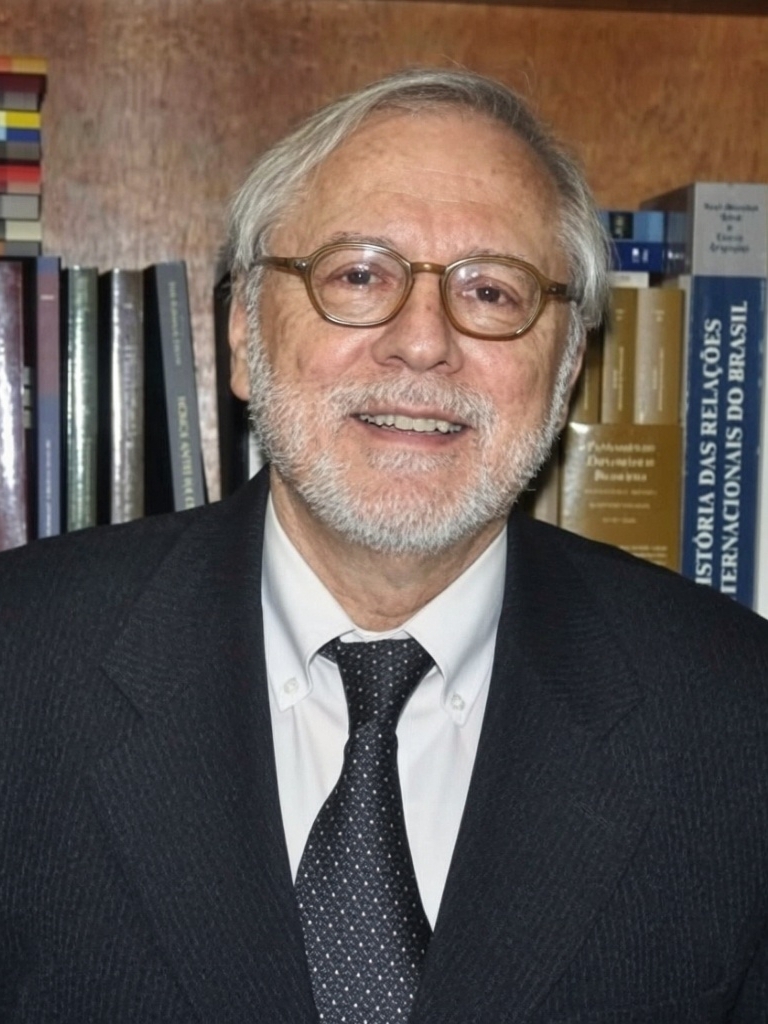
Full Professor of International Relations at the University of Brasília (UnB), with a PhD in International History from the same institution (2000). He was a postdoctoral fellow at the Université de Strasbourg (2008–2009) and a Visiting Scholar at the Lemann Institute for Brazilian Studies and CLACS, University of Illinois at Urbana-Champaign (2015–2016). A Level 1C CNPq Research Fellow, he served as Editor-in-Chief of the Revista Brasileira de Política Internacional (RBPI, 2004–2021) and Meridiano 47 – Journal of Global Studies (2000–2021). His research focuses on the international relations of contemporary Brazil.

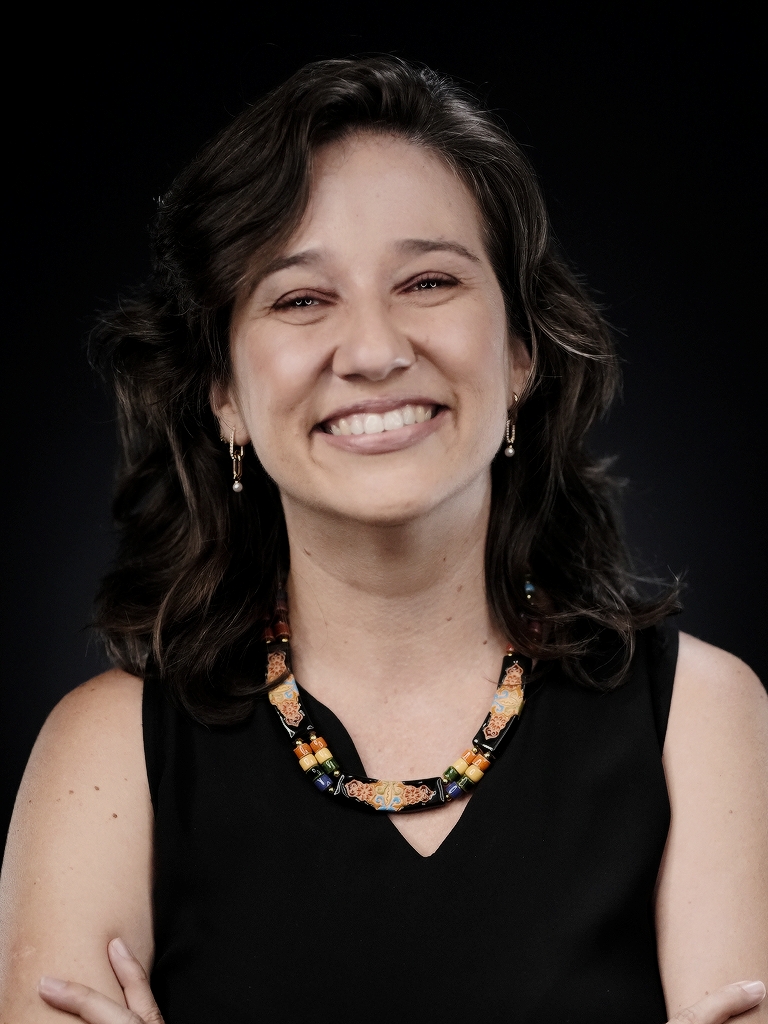
Antônio Carlos Lessa

Deputy Coordinator

Full Professor of International Relations at the University of Brasília (UnB), with a PhD in International History from the same institution (2000). He was a postdoctoral fellow at the Université de Strasbourg (2008–2009) and a Visiting Scholar at the Lemann Institute for Brazilian Studies and CLACS, University of Illinois at Urbana-Champaign (2015–2016). A Level 1C CNPq Research Fellow, he served as Editor-in-Chief of the Revista Brasileira de Política Internacional (RBPI, 2004–2021) and Meridiano 47 – Journal of Global Studies (2000–2021). His research focuses on the international relations of contemporary Brazil.

Steering Committee

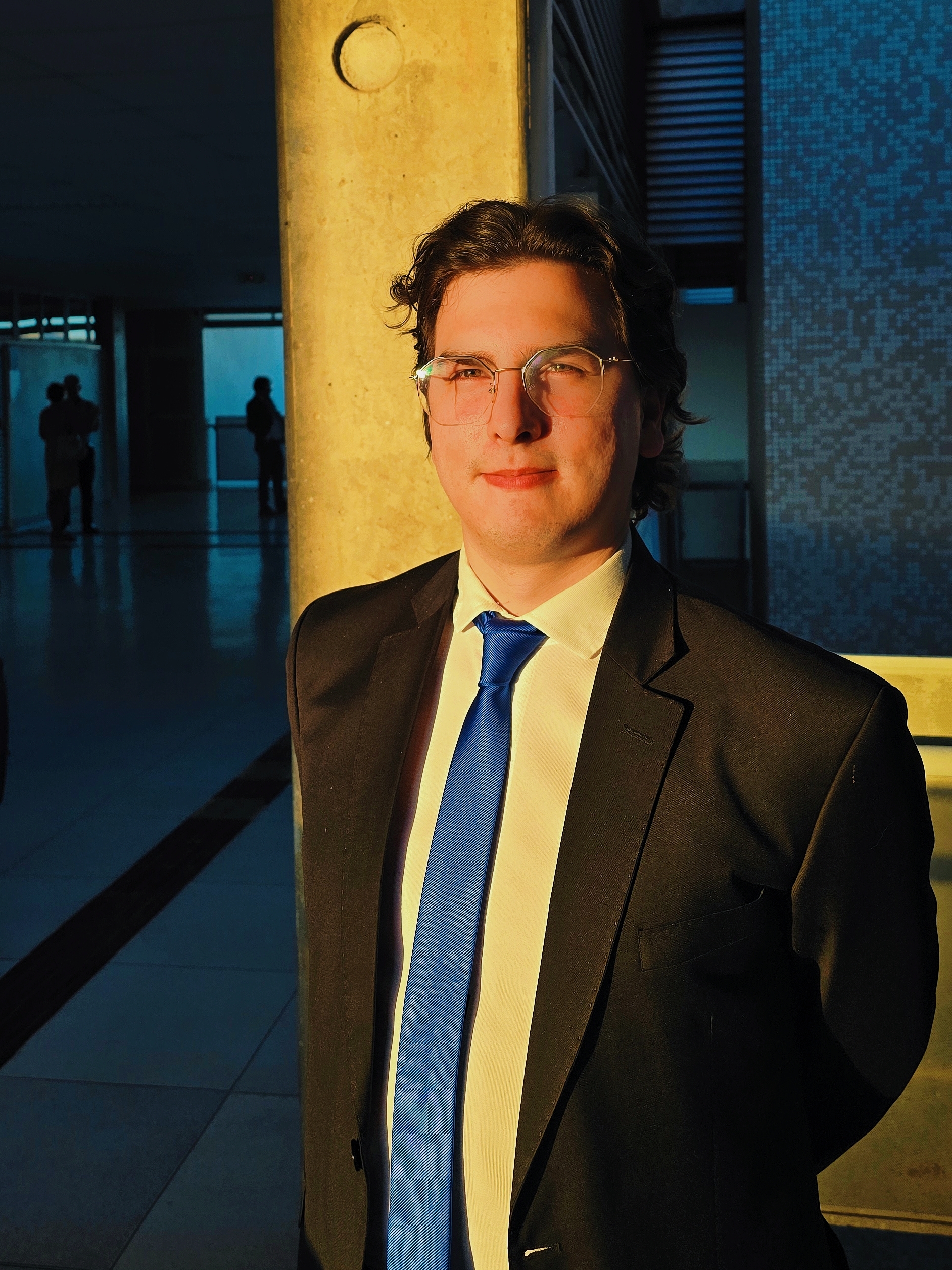
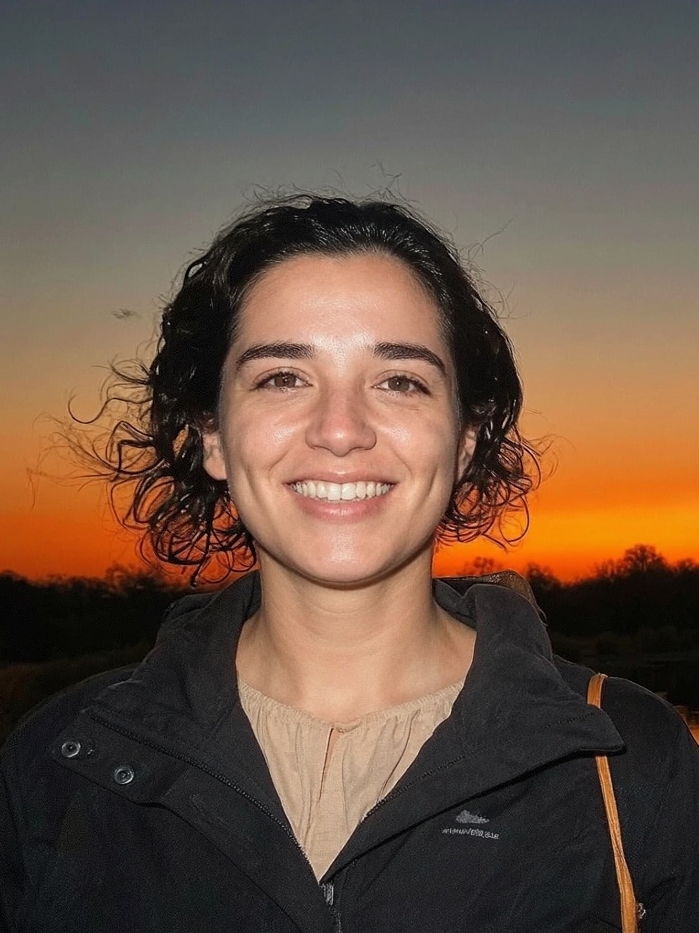
PhD candidate in International Relations at the University of Brasília, vinculated to the Government and Foreign Policy research line. He holds a Master's degree for the same institution. He currently serves as Assistant Editor at Meridiano 47 - Journal of Global Studies. His research focuses on Foreign Policy Analysis (FPA), Role Theory, and the implementation of foreign policy through complexity-informed frameworks, with a particular emphasis on Chinese Foreign Policy and contemporary China-Brazil relations.
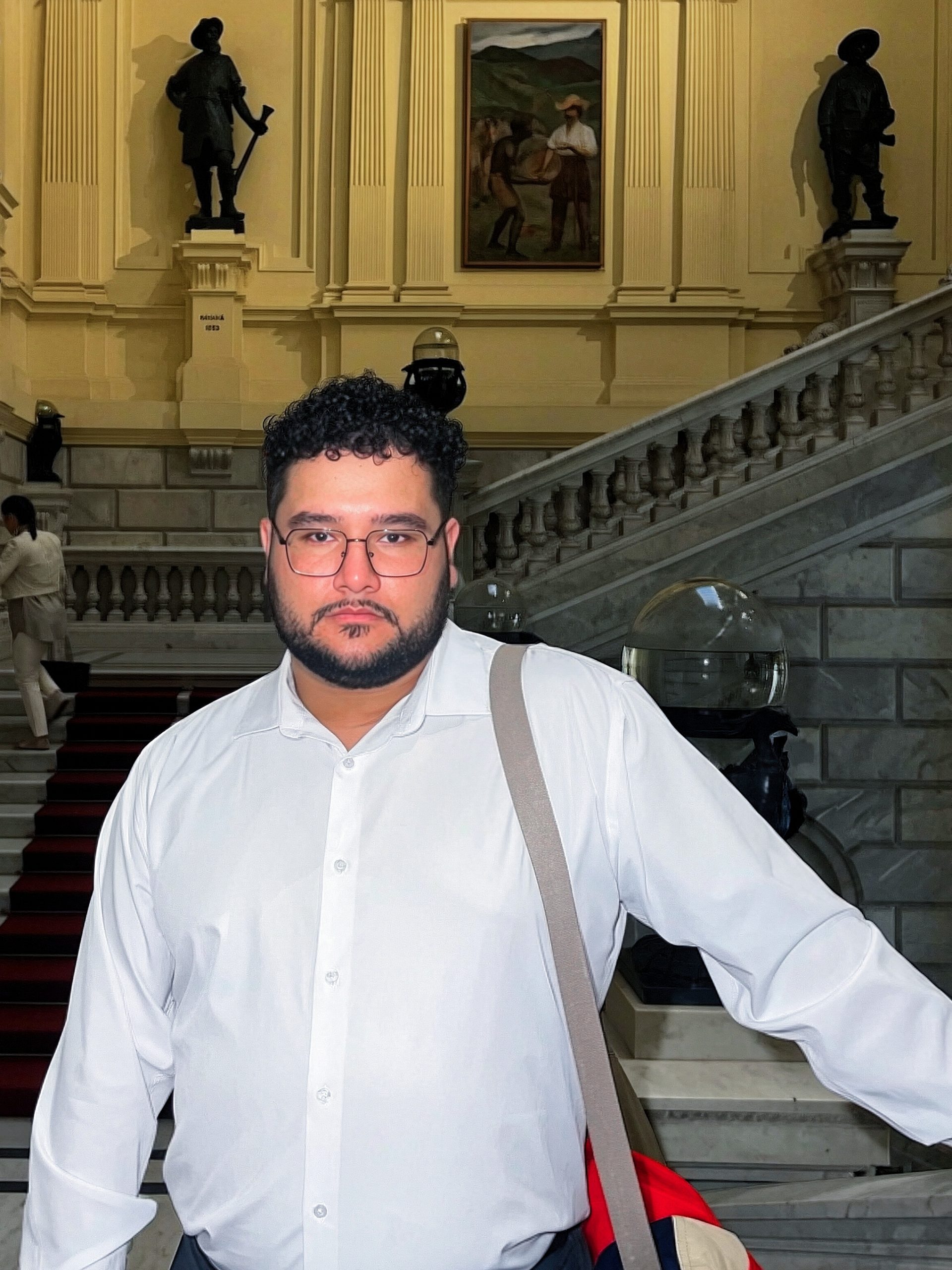
Bruno Lass

Executive Secretary

PhD candidate in International Relations at the University of Brasília, vinculated to the Government and Foreign Policy research line. He holds a Master's degree for the same institution. He currently serves as Assistant Editor at Meridiano 47 - Journal of Global Studies. His research focuses on Foreign Policy Analysis (FPA), Role Theory, and the implementation of foreign policy through complexity-informed frameworks, with a particular emphasis on Chinese Foreign Policy and contemporary China-Brazil relations.

PhD candidate in International Relations at the University of Brasília. He is also undertaking a postgraduate specialisation in statistics at the Pontifical Catholic University of Minas Gerais. He currently serves as Assistant Editor of the Meridiano 47 journal and as a political and data consultant for a private firm. His research focuses on planetary politics and contemporary debates within the discipline of International Relations (theorising, post-Newtonian approaches and research methodology).

Jales Caur

Executive Secretary

PhD candidate in International Relations at the University of Brasília. He is also undertaking a postgraduate specialisation in statistics at the Pontifical Catholic University of Minas Gerais. He currently serves as Assistant Editor of the Meridiano 47 journal and as a political and data consultant for a private firm. His research focuses on planetary politics and contemporary debates within the discipline of International Relations (theorising, post-Newtonian approaches and research methodology).

Senior Research Fellows

Associate Professor at the Institute of International Relations, University of Brasília (UnB), since 2002. She holds a PhD in International Relations from the Université de Paris I (Panthéon-Sorbonne) and was a postdoctoral fellow at CERIC, Aix-Marseille University, France (2000). She served as Head of the International Affairs Office at UnB (2008–2014). She is a Senior Research Fellow and member of the Ocean Task Force of the Earth System Governance Network, and a CNPq Research Fellow. Her research focuses on global ocean governance, Antarctica, BRICS, the 2030 Agenda, and Brazilian foreign policy.
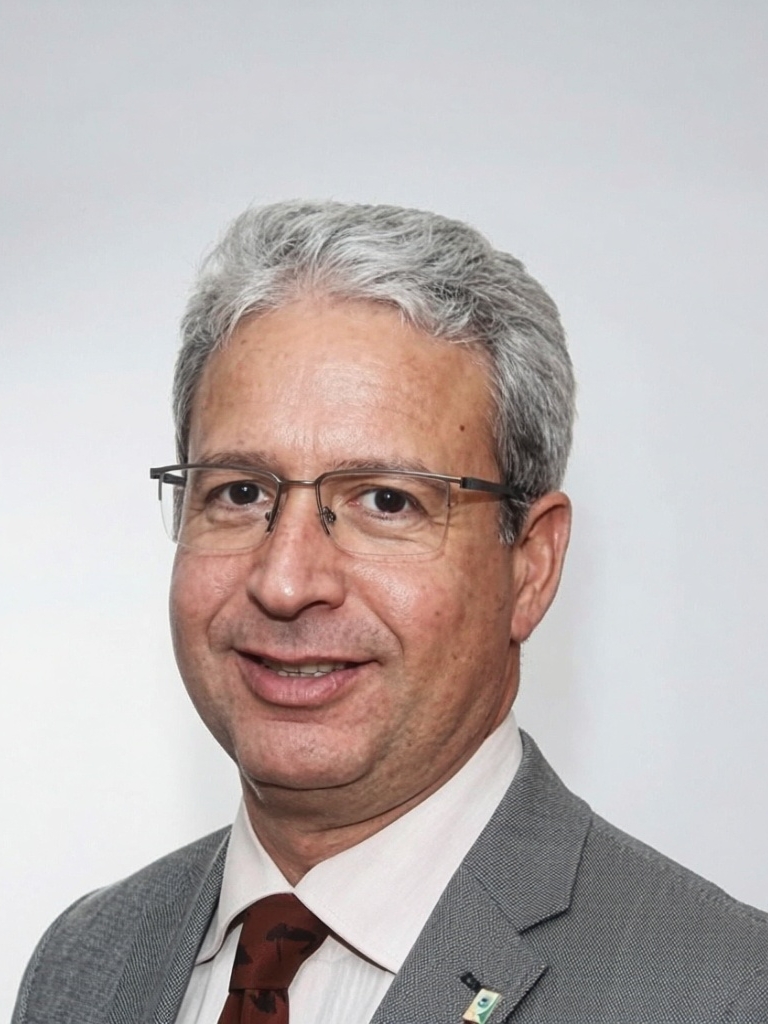
Ana Flávia Granja e Barros

Associate Professor at the Institute of International Relations, University of Brasília (UnB), since 2002. She holds a PhD in International Relations from the Université de Paris I (Panthéon-Sorbonne) and was a postdoctoral fellow at CERIC, Aix-Marseille University, France (2000). She served as Head of the International Affairs Office at UnB (2008–2014). She is a Senior Research Fellow and member of the Ocean Task Force of the Earth System Governance Network, and a CNPq Research Fellow. Her research focuses on global ocean governance, Antarctica, BRICS, the 2030 Agenda, and Brazilian foreign policy.

Professor of International Political Economy at the Institute of International Relations, University of Brasília (UnB). He has served as Executive Secretary of the Foreign Trade Chamber (CAMEX). He holds a PhD in Political Science from IUPERJ and has been a visiting scholar at the University of Oxford, UC Berkeley, and the Australian National University. His career includes senior advisory roles in the Presidency of the Republic and the Rio Branco Institute, with research focusing on international political economy and global trade.

Carlos Pio

Professor of International Political Economy at the Institute of International Relations, University of Brasília (UnB). He has served as Executive Secretary of the Foreign Trade Chamber (CAMEX). He holds a PhD in Political Science from IUPERJ and has been a visiting scholar at the University of Oxford, UC Berkeley, and the Australian National University. His career includes senior advisory roles in the Presidency of the Republic and the Rio Branco Institute, with research focusing on international political economy and global trade.

Associate Professor at the Institute of International Relations, University of Brasília (UnB), since 1997, with a PhD in Sustainable Development from the same institution (2003). She was a Visiting Fellow at the School of Global Environmental Sustainability, Colorado State University (2016–2017), and a Visiting Scholar at the IHDP-UNU, Bonn (2009). She is a CNPq Research Fellow. Her research focuses on global environmental politics — particularly climate and biodiversity governance — international development cooperation, the Amazon, global governance, civil society, and transnational networks.
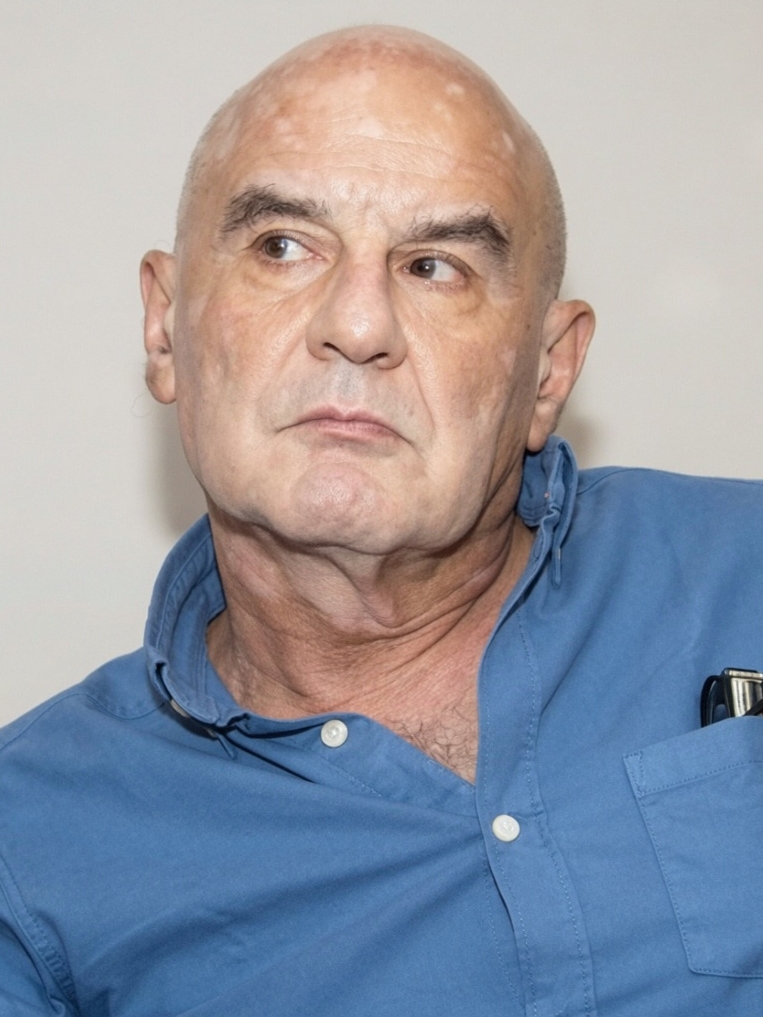
Cristina Yumie Aoki Inoue

Associate Professor at the Institute of International Relations, University of Brasília (UnB), since 1997, with a PhD in Sustainable Development from the same institution (2003). She was a Visiting Fellow at the School of Global Environmental Sustainability, Colorado State University (2016–2017), and a Visiting Scholar at the IHDP-UNU, Bonn (2009). She is a CNPq Research Fellow. Her research focuses on global environmental politics — particularly climate and biodiversity governance — international development cooperation, the Amazon, global governance, civil society, and transnational networks.

Retired Full Professor of International Relations at the University of Brasília (UnB), with a PhD in Political Science from the University of São Paulo (USP, 1982) and postdoctoral research in International Political Economy at the University of Colorado (1990). A Level 1B CNPq Research Fellow, he has been a Visiting Professor at Stanford, Notre Dame, Colorado, Amsterdam, UT Austin, and San Martín universities. His research focuses on Globalization and Governance, International Security, IR Theory, International Political Economy, the International System in the Anthropocene, Global Climate Change, the Global Geopolitics of Energy and the low-carbon transition, Brazil in Comparative Perspective, and Brazilian Foreign Policy.

Eduardo Viola

Retired Full Professor of International Relations at the University of Brasília (UnB), with a PhD in Political Science from the University of São Paulo (USP, 1982) and postdoctoral research in International Political Economy at the University of Colorado (1990). A Level 1B CNPq Research Fellow, he has been a Visiting Professor at Stanford, Notre Dame, Colorado, Amsterdam, UT Austin, and San Martín universities. His research focuses on Globalization and Governance, International Security, IR Theory, International Political Economy, the International System in the Anthropocene, Global Climate Change, the Global Geopolitics of Energy and the low-carbon transition, Brazil in Comparative Perspective, and Brazilian Foreign Policy.

Professor and Researcher at the Graduate Program in International Relations, University of Brasília (UnB), with a PhD in Political Science from the University of São Paulo (USP). He was a postdoctoral fellow at Harvard University (2017–2018) and was Professor of International Relations at the Federal University of Uberlândia (UFU). He is Editor-in-Chief of the Revista Brasileira de Política Internacional (RBPI, since 2021), Deputy Executive Secretary of ABRI, member of REPRI, researcher at INCT-INEU, and a CNPq Research Fellow. His research focuses on Brazilian Foreign Policy, Foreign Policy Analysis, International Institutions, Regionalism, and South-South Cooperation.

Haroldo Ramanzini Júnior

Professor and Researcher at the Graduate Program in International Relations, University of Brasília (UnB), with a PhD in Political Science from the University of São Paulo (USP). He was a postdoctoral fellow at Harvard University (2017–2018) and was Professor of International Relations at the Federal University of Uberlândia (UFU). He is Editor-in-Chief of the Revista Brasileira de Política Internacional (RBPI, since 2021), Deputy Executive Secretary of ABRI, member of REPRI, researcher at INCT-INEU, and a CNPq Research Fellow. His research focuses on Brazilian Foreign Policy, Foreign Policy Analysis, International Institutions, Regionalism, and South-South Cooperation.

Assistant Professor at the Institute of International Relations of the University of Brasília. He holds a PhD in International Relations from the University of Brasília (2018), where he also conducted postdoctoral research (2018–2020). He is a Full Researcher at the Center for Global Agribusiness at Insper, São Paulo, and Associate Editor of the Revista Brasileira de Política Internacional (RBPI). His research interests lie in international political economy, with a particular focus on the production, trade, and governance of natural resources and agriculture.

Niels Søndergaard

Assistant Professor at the Institute of International Relations of the University of Brasília. He holds a PhD in International Relations from the University of Brasília (2018), where he also conducted postdoctoral research (2018–2020). He is a Full Researcher at the Center for Global Agribusiness at Insper, São Paulo, and Associate Editor of the Revista Brasileira de Política Internacional (RBPI). His research interests lie in international political economy, with a particular focus on the production, trade, and governance of natural resources and agriculture.

Full Professor at the Institute of International Relations, University of Brasília (UnB), with a PhD from the Graduate Institute of International and Development Studies (IHEID, Geneva). She held postdoctoral fellowships at USP and Brown University and has served as Graduate Coordinator at UnB and as a board member of the Brazilian International Relations Association (ABRI). Her research focuses on the History of International Relations, International Law, International Organizations, and Brazilian Foreign Policy.

Norma Breda dos Santos

Full Professor at the Institute of International Relations, University of Brasília (UnB), with a PhD from the Graduate Institute of International and Development Studies (IHEID, Geneva). She held postdoctoral fellowships at USP and Brown University and has served as Graduate Coordinator at UnB and as a board member of the Brazilian International Relations Association (ABRI). Her research focuses on the History of International Relations, International Law, International Organizations, and Brazilian Foreign Policy.

Assistant Professor at the University of Brasília, affiliated with the Institute of International Relations and the Graduate Program in Development, Society and International Cooperation (PPGDSCI/CEAM). He holds a PhD in International Development from Nagoya University's Graduate School of International Development, Japan, and is currently a postdoctoral researcher at Kobe University, Japan. He is a founding member of IREL's Asia and Latin America Research Group. His research focuses on international cooperation, international development cooperation, global health and health diplomacy, new epistemologies in the social sciences and humanities, and knowledge management in the internationalization of micro and small enterprises.
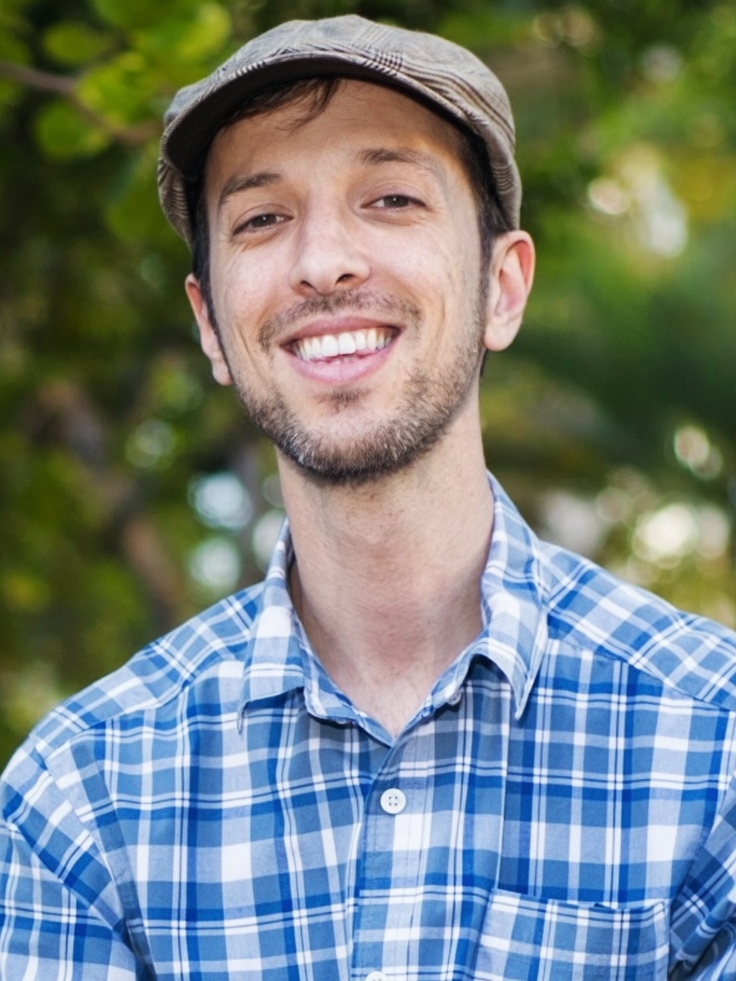
Rodrigo Pires de Campos

Assistant Professor at the University of Brasília, affiliated with the Institute of International Relations and the Graduate Program in Development, Society and International Cooperation (PPGDSCI/CEAM). He holds a PhD in International Development from Nagoya University's Graduate School of International Development, Japan, and is currently a postdoctoral researcher at Kobe University, Japan. He is a founding member of IREL's Asia and Latin America Research Group. His research focuses on international cooperation, international development cooperation, global health and health diplomacy, new epistemologies in the social sciences and humanities, and knowledge management in the internationalization of micro and small enterprises.

Professor and Researcher at the Graduate Program in International Relations, University of Brasília, with a PhD in International Relations from the same institution (2012). He was a postdoctoral fellow at the University of Chicago (2014–2017), where he served as Visiting Scholar at the Lemann Institute for Brazilian Studies and Associate of the Center for Latin American Studies (2014–2016). He is Associate Editor of the Revista Brasileira de Política Internacional (RBPI) and is currently based at IPRI/FUNAG. He previously served as Specialist in Public Policy and Government Management, with assignments at MDIC, MPOG, ENAP, and CAMEX (2005). His research focuses on Brazilian Foreign Policy, Foreign Policy Decision-Making, Multilateral Trade Negotiations, and the History of Brazilian Foreign Policy and International History.

Rogério de Souza Farias

Professor and Researcher at the Graduate Program in International Relations, University of Brasília, with a PhD in International Relations from the same institution (2012). He was a postdoctoral fellow at the University of Chicago (2014–2017), where he served as Visiting Scholar at the Lemann Institute for Brazilian Studies and Associate of the Center for Latin American Studies (2014–2016). He is Associate Editor of the Revista Brasileira de Política Internacional (RBPI) and is currently based at IPRI/FUNAG. He previously served as Specialist in Public Policy and Government Management, with assignments at MDIC, MPOG, ENAP, and CAMEX (2005). His research focuses on Brazilian Foreign Policy, Foreign Policy Decision-Making, Multilateral Trade Negotiations, and the History of Brazilian Foreign Policy and International History.

PhD in International Relations from the University of Brasília (2022). A civil servant since 2008, her work has spanned sustainable development, social participation, solid waste governance, and human rights education. She also served as a volunteer lecturer at UnB's Institute of International Relations (2021–2024). She was a contributing author to the Brazilian Panel on Climate Change's Working Group 3 report for the First National Assessment on Climate Change, and co-authored Conservative Hegemony in the International System: Global Governance and Democracy in the Age of the Climate Crisis (2013). She is a member of UnB's Research Group on the International System in the Anthropocene and Global Climate Change, and a Research Fellow and member of the Brasília Research Center, Earth System Governance Project.

Thaís Lemos Ribeiro

PhD in International Relations from the University of Brasília (2022). A civil servant since 2008, her work has spanned sustainable development, social participation, solid waste governance, and human rights education. She also served as a volunteer lecturer at UnB's Institute of International Relations (2021–2024). She was a contributing author to the Brazilian Panel on Climate Change's Working Group 3 report for the First National Assessment on Climate Change, and co-authored Conservative Hegemony in the International System: Global Governance and Democracy in the Age of the Climate Crisis (2013). She is a member of UnB's Research Group on the International System in the Anthropocene and Global Climate Change, and a Research Fellow and member of the Brasília Research Center, Earth System Governance Project.

Associate Professor at the Institute of International Relations, University of Brasília, with a PhD in Political Science/International Relations from the University of Hildesheim, Germany. She conducted postdoctoral research at UnB (2010) and the University of Coimbra (2017), was a Visiting Professor at Coimbra (2014), and a Visiting Researcher at the Supreme Council for Family Affairs, Sharjah, UAE (2007–2008), and the Gulf Research Center, Dubai (2007). She is a CNPq Research Fellow. Her research focuses on the politics of finance and feminism in Portugal and Sweden, and on the relationship between gender and international politics — particularly the nexus between international status, feminism, and anti-feminism.

Vânia Carvalho Pinto

Associate Professor at the Institute of International Relations, University of Brasília, with a PhD in Political Science/International Relations from the University of Hildesheim, Germany. She conducted postdoctoral research at UnB (2010) and the University of Coimbra (2017), was a Visiting Professor at Coimbra (2014), and a Visiting Researcher at the Supreme Council for Family Affairs, Sharjah, UAE (2007–2008), and the Gulf Research Center, Dubai (2007). She is a CNPq Research Fellow. Her research focuses on the politics of finance and feminism in Portugal and Sweden, and on the relationship between gender and international politics — particularly the nexus between international status, feminism, and anti-feminism.

Professor of International Relations at the Federal University of Rio Grande do Sul (UFRGS) and the University of Brasília (UnB), with a PhD in IR from UnB. She leads the Research Group on International Relations and the Environment (GERIMA) and serves on the editorial board of the Journal of the Global South (Conjuntura Austral). Her research specialises in global climate governance and international environmental policy, with a particular focus on the role of the Amazon in negotiations leading up to COP30.

Veronica Korber Gonçalves

Professor of International Relations at the Federal University of Rio Grande do Sul (UFRGS) and the University of Brasília (UnB), with a PhD in IR from UnB. She leads the Research Group on International Relations and the Environment (GERIMA) and serves on the editorial board of the Journal of the Global South (Conjuntura Austral). Her research specialises in global climate governance and international environmental policy, with a particular focus on the role of the Amazon in negotiations leading up to COP30.

Former Research Fellows

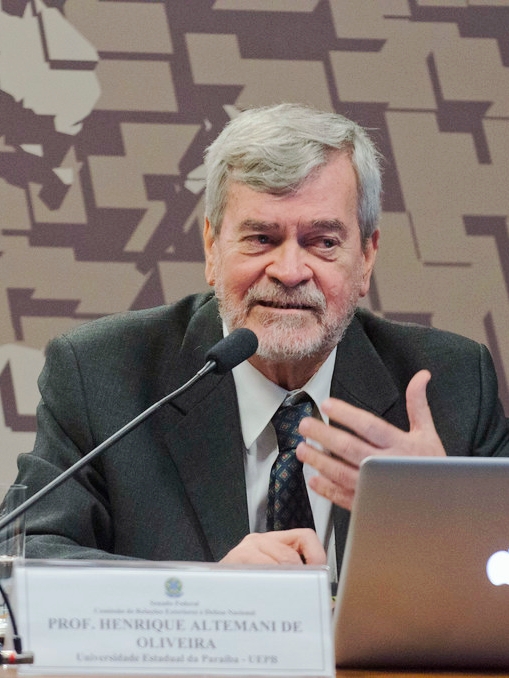
Visiting Professor at the Graduate Program in International Relations of the University of Brasília. He holds a PhD in Sociology from the University of São Paulo (1988). He has held academic positions at the University of Brasília, the Pontifical Catholic University of São Paulo, and the State University of Paraíba, and was a Visiting Researcher at the Center for Research on International Relations (NUPRI) of the University of São Paulo. He currently serves as Coordinator of the Asia-Pacific Studies Group and is a member of the Network of Latin American and Caribbean Studies on the Asia-Pacific (REDEALAP). His research interests lie in International Relations, with an emphasis on Brazilian Foreign Policy, Strategic Security, the Asia-Pacific region, Japan, and China.

Henrique Altemani de Oliveira

Visiting Professor at the Graduate Program in International Relations of the University of Brasília. He holds a PhD in Sociology from the University of São Paulo (1988). He has held academic positions at the University of Brasília, the Pontifical Catholic University of São Paulo, and the State University of Paraíba, and was a Visiting Researcher at the Center for Research on International Relations (NUPRI) of the University of São Paulo. He currently serves as Coordinator of the Asia-Pacific Studies Group and is a member of the Network of Latin American and Caribbean Studies on the Asia-Pacific (REDEALAP). His research interests lie in International Relations, with an emphasis on Brazilian Foreign Policy, Strategic Security, the Asia-Pacific region, Japan, and China.

PhD in Social Sciences from the Université Libre de Bruxelles (1984) and Master's in Economic Planning from the University of Antwerp (1976). A career diplomat since 1977, he served in various roles at Brazil's Secretariat of State for Foreign Affairs and at embassies and delegations abroad, and defended a thesis in diplomatic history at the Instituto Rio Branco (1997) on Brazil's nineteenth-century economic diplomacy. He served as Director of IPRI/FUNAG (2016–2019) and was affiliated with the Center for Global Studies (2019–2023). He has published over a dozen sole-authored books, edited multiple collective volumes, and contributed to dozens of academic works and peer-reviewed journals.

Paulo Roberto de Almeida

PhD in Social Sciences from the Université Libre de Bruxelles (1984) and Master's in Economic Planning from the University of Antwerp (1976). A career diplomat since 1977, he served in various roles at Brazil's Secretariat of State for Foreign Affairs and at embassies and delegations abroad, and defended a thesis in diplomatic history at the Instituto Rio Branco (1997) on Brazil's nineteenth-century economic diplomacy. He served as Director of IPRI/FUNAG (2016–2019) and was affiliated with the Center for Global Studies (2019–2023). He has published over a dozen sole-authored books, edited multiple collective volumes, and contributed to dozens of academic works and peer-reviewed journals.

PhD in International Relations from the Institute of International Relations at the University of Brasília, and Bachelor of Laws from the University of São Paulo. He worked as International Affairs Advisor at the Municipal Secretariat of Culture of São Paulo from 2014 to 2015, and as a consultant for Brazil’s Ministry of Culture from 2015 to 2016, on a project aimed at the internationalization of Brazilian culture. He has also been a visiting researcher at Beijing Foreign Studies University and the University of Virginia. He is co-founder of the Observa China network, editor of Revista Mundorama, and an associate researcher at LEMCRI (UFRJ-UERJ) and LabÁsia (UERJ). His research focuses primarily on China, soft power, and popular culture.

Paulo Menechelli

PhD in International Relations from the Institute of International Relations at the University of Brasília, and Bachelor of Laws from the University of São Paulo. He worked as International Affairs Advisor at the Municipal Secretariat of Culture of São Paulo from 2014 to 2015, and as a consultant for Brazil’s Ministry of Culture from 2015 to 2016, on a project aimed at the internationalization of Brazilian culture. He has also been a visiting researcher at Beijing Foreign Studies University and the University of Virginia. He is co-founder of the Observa China network, editor of Revista Mundorama, and an associate researcher at LEMCRI (UFRJ-UERJ) and LabÁsia (UERJ). His research focuses primarily on China, soft power, and popular culture.

Acessar o conteúdo